









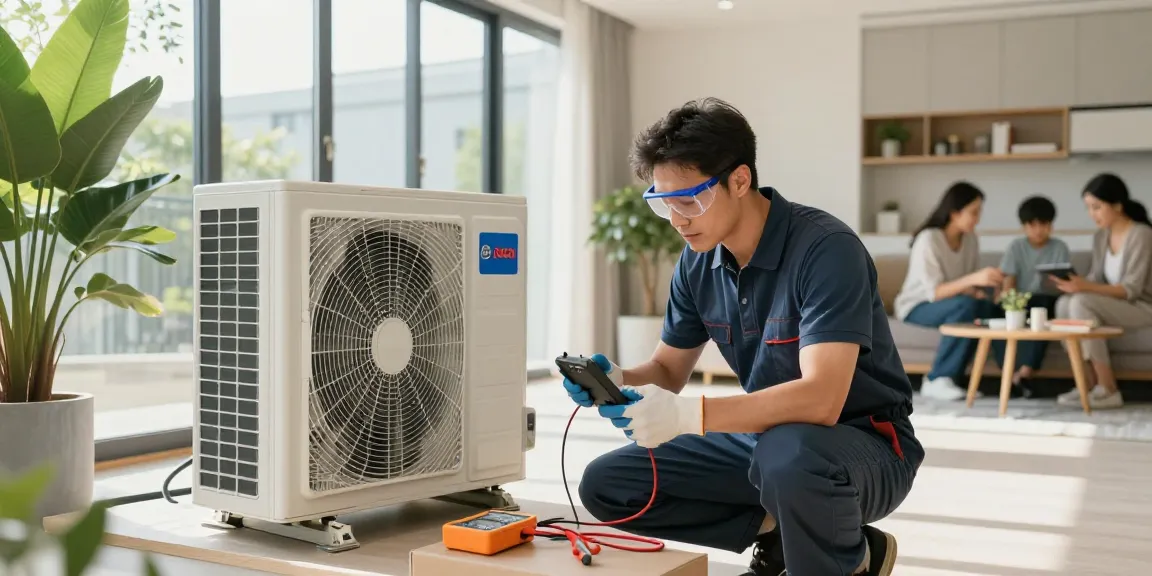
Understanding the Basics of Wärmepumpe Bosch
The adoption of renewable energy solutions in home heating has gained momentum as homeowners seek sustainable options for reducing energy costs. One prominent solution is the wärmepumpe bosch, which utilizes modern technology to efficiently heat residential spaces. In this article, we will explore the intricacies of Bosch heat pumps, their benefits, functionality in varying climates, and much more, providing you with a comprehensive understanding needed to make informed decisions about your heating system.
What is a Wärmepumpe?
A Wärmepumpe, or heat pump, is an energy-efficient device that transfers heat from one place to another. It operates on the principle of thermodynamics, using electricity to move heat from exterior sources—such as air, water, or the ground—into your home. This process can significantly lower heating costs while reducing reliance on fossil fuels.
Key Benefits of Using Bosch Heat Pumps
- High Efficiency: Bosch heat pumps are known for their exceptional energy efficiency, often boasting Seasonal Coefficient of Performance (SCOP) ratings that indicate they can produce up to five times more energy than they consume.
- Environmental Impact: By utilizing renewable energy, Bosch heat pumps contribute to a reduction in greenhouse gas emissions, promoting a cleaner environment.
- Cost Savings: Over time, homeowners can experience substantial reductions in their heating bills, thereby recouping the initial investment.
- Versatile Applications: These systems are suitable for various property types, including single-family homes, multi-family units, and new construction projects.
How Wärmepumpe Works in Different Climates
One of the strengths of Bosch heat pumps is their adaptability. In warmer climates, air-source heat pumps are particularly effective, extracting heat from the ambient air and transferring it indoors. Conversely, in colder regions, ground-source heat pumps (geothermal) tap into stable subterranean temperatures, ensuring consistent heating even during winter months. This versatility ensures comfort across various environments while maintaining efficiency.
Efficiency Metrics of Wärmepumpe Bosch
To understand the value of a wärmepumpe bosch, it’s critical to delve into its efficiency metrics. Energy efficiency is quantifiable through various parameters, allowing homeowners to assess their heating options more accurately.
Assessing the SCOP Ratings
SCOP, or Seasonal Coefficient of Performance, is a crucial metric that indicates a heat pump’s efficiency over an entire heating season. Bosch heat pumps typically achieve SCOP ratings ranging from 3.9 to 5.1, meaning for every unit of energy consumed, they can produce up to five units of heat. This rating not only reflects their operational efficiency but also serves as a benchmark when comparing different models.
Energy Consumption vs. Savings
Understanding the relationship between energy consumption and savings is essential for calculating overall cost-effectiveness. Bosch heat pumps are engineered to minimize energy use, often achieving a reduction of up to 50% in heating costs when compared to traditional systems. This not only translates to lower utility bills but also enhances the long-term sustainability of a household.
Impact on Monthly Heating Bills
By switching to a Bosch heat pump, many homeowners report a significant decrease in their monthly heating expenses. For instance, typical costs for heating a standard home can drop from over €300 to as low as €150 per month, depending on the specific model and local energy prices. This reduction highlights the financial benefits of investing in energy-efficient technology.
Installation Insights for Wärmepumpe Bosch
Installing a Bosch heat pump requires careful planning and consideration to ensure optimal performance and efficiency. Understanding these installation aspects can help homeowners avoid common pitfalls and maximize their investment.
Choosing the Right Size for Your Home
One of the most critical factors in the effective performance of a heat pump is selecting the correct size for your home. An undersized unit will struggle to meet heating demands, while an oversized one may lead to unnecessary energy consumption and increased operational costs. Consulting with a qualified professional can aid in evaluating your specific heating requirements based on factors such as home size, insulation quality, and local climate.
Finding Qualified Installers
To ensure proper installation, it’s imperative to engage a certified installer familiar with Bosch systems. Look for professionals who possess the necessary qualifications and experience in handling heat pumps. A well-installation not only guarantees efficiency but also extends the lifespan of the unit.
Common Installation Challenges
Installation challenges may arise, including the need for specific modifications to existing ductwork or addressing accessibility issues for installing underground systems. Identifying these potential obstacles ahead of time can streamline the installation process and prevent unexpected costs.
Maintenance Best Practices for Your Wärmepumpe Bosch
Regular maintenance is vital for the longevity and efficiency of your Bosch heat pump. Adopting best practices can help you maintain optimal performance throughout its operational life.
Routine Maintenance Tips and Schedule
Establish a maintenance schedule that includes tasks such as cleaning or replacing filters, inspecting ductwork for leaks, and ensuring the outdoor unit is free of debris. Typically, a professional inspection is recommended at least once a year to catch any potential issues early on.
Signs Your Wärmepumpe Needs Attention
Be aware of signs that your heat pump may require maintenance, such as unusual noises, inconsistent heating, or an increase in energy bills. Prompt attention to these issues can prevent more extensive repairs down the line.
Long-Term Care for Optimal Performance
Investing in extended warranties or service plans can protect your investment. Additionally, keeping an eye on the performance metrics of your heat pump helps ensure it continues to operate efficiently over time.
Future Trends in Heating Technology
The heating technology landscape is evolving, with innovations aiming to enhance the efficiency and sustainability of systems like the Bosch heat pump. Staying informed about future trends is crucial for homeowners looking to make forward-thinking decisions.
Innovations in Bosch Heat Pump Technology
Bosch is continuously developing smart technology solutions that improve the functionality of heating systems. Future innovations may include enhanced integration with home automation systems, providing users with greater control and efficiency.
Adapting to Regulatory Changes by 2026
With increasing regulatory pressures to reduce carbon emissions, more stringent guidelines will shape product development within the heating industry. Bosch aims to stay ahead by innovating systems that not only comply with these regulations but also set new standards for energy efficiency.
The Role of Wärmepumpe in Sustainable Living
As society moves towards sustainable living, the role of heat pumps, particularly Bosch models, becomes ever more significant. Their ability to harness renewable energy sources makes them a cornerstone in the transition towards a low-carbon future.
How effective are Bosch heat pumps?
Bosch heat pumps are recognized for their high efficiency, durability, and innovative technology, often making them a top choice among homeowners seeking sustainable heating solutions.
What are the installation costs for a Bosch heat pump?
Installation costs can vary significantly, typically ranging from €20,000 to €40,000 for single-family homes, depending on factors like system type and house size.
Which models of Bosch Wärmepumpe are recommended?
Models such as the Bosch Compress 6800i AW and 5800i AW have received positive reviews for efficiency and noise levels, making them suitable for various applications.
How do Bosch Wärmepumpe compare with competitors?
While Bosch heat pumps excel in efficiency and reliability, they are often compared with brands like Viessmann and Stiebel Eltron, each offering unique advantages based on specific homeowner needs.
What maintenance tips should I follow for my heat pump?
Regular maintenance, such as filter changing, system cleaning, and professional inspections, is crucial for ensuring optimal performance and longevity of your Bosch heat pump.